
Reducing Knee Joint Inflammation with Physiotherapy
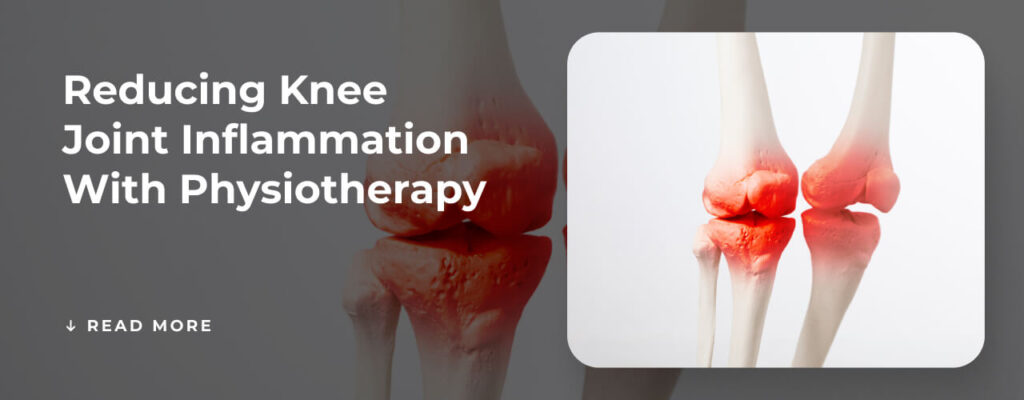
Knee discomfort can disrupt everything from daily walks to athletic activities. If your knee feels swollen, stiff, or achy, you’re not alone—knee joint inflammation is a common issue that affects people of all ages and activity levels. While many believe rest and ice are the best solutions, physiotherapy offers a more effective, long-term approach.
Inflammation occurs when the body responds to stress, injury, or strain on the joint. While some inflammation is part of the natural healing process, persistent swelling and discomfort can indicate an underlying issue that needs attention. Left unaddressed, knee inflammation can limit mobility, weaken muscles, and increase the risk of further injury.
This guide walks through five key steps that physiotherapists use to help patients reduce inflammation, restore mobility, and prevent future knee pain.
Five Steps To Addressing Knee Inflammation
Step 1: Identify the Cause of Inflammation
Before jumping into treatment, understanding the root cause of inflammation is essential. Knee joint inflammation is often linked to:
Overuse and Repetitive Strain
- High-impact activities or sudden increases in training can overload the joint.
Arthritis and Degenerative Changes
- Wear and tear over time can lead to chronic inflammation.
Previous Injuries
- Untreated sprains, strains, or meniscus injuries can contribute to ongoing swelling.
Poor Movement Mechanics
- Misalignment or muscle imbalances can place extra stress on the knee joint.
Obesity or High-Impact Stress on the Joint
- Excess weight places added pressure on the knees, increasing inflammation risk.
A physiotherapist assesses movement patterns, joint function, and muscle imbalances to determine what’s triggering the inflammation and how to address it effectively.
Step 2: Get Moving—But the Right Way
Contrary to popular belief, prolonged rest can actually make inflammation worse. While avoiding aggravating activities is important, controlled movement helps circulation and supports healing:
- Gentle mobility exercises prevent stiffness and promote fluid movement within the joint.
- Gradual weight-bearing activities improve joint stability and prevent muscle loss.
- Low-impact movements like walking or controlled strengthening reduce strain without triggering further inflammation.
If a joint stays immobile for too long, it becomes stiff and weak, making recovery slower. Physiotherapists design individualized movement plans that allow patients to stay active while reducing knee joint inflammation safely.
Step 3: Strengthen the Muscles That Support the Knee
The muscles surrounding the knee act as shock absorbers to help reduce the strain. Weak muscles force the knee to absorb more stress, which can lead to chronic inflammation:
- Strong quadriceps and hamstrings help control knee movement and reduce excessive joint pressure.
- Glute and hip strength play a role in stabilizing knee alignment.
- Ankle and calf mobility impacts how forces transfer through the knee during movement.
A physiotherapist creates a progressive strengthening program to help patients develop balanced muscle support and prevent recurring joint inflammation. Strengthening the right muscles not only reduces inflammation but also lowers the risk of future injuries.
Step 4: Improve Joint Mechanics to Reduce Stress
Many people don’t realize that how they walk, squat, or even stand affects knee health. Poor movement mechanics can lead to excess joint stress, triggering inflammation. Our physiotherapists assess:
Gait Patterns
- Uneven weight distribution or misalignment can overload certain areas of the knee.
Posture and Body Mechanics
- The way you move during everyday activities affects joint health.
Muscle Imbalances
- Overactive or weak muscles can change how forces are distributed across the knee joint.
By identifying these hidden stressors, physiotherapy helps optimize movement and reduce unnecessary strain, allowing inflammation to subside.
Step 5: Manage Swelling Without Over-Reliance on Ice
Many people turn to ice as their first option for inflammation, but research shows that ice only provides temporary pain relief—it does not eliminate swelling. Physiotherapists focus on active recovery techniques instead.
Effective strategies for managing knee joint inflammation include:
- Compression therapy to reduce excess fluid buildup.
- Movement-based recovery that encourages circulation and lymphatic drainage.
- Joint mobilization techniques to improve stiffness without triggering more inflammation.
- Hydration and proper nutrition to support natural anti-inflammatory processes.
Physiotherapists balance pain relief with movement strategies to promote long-term healing rather than relying on short-term fixes.
Final Takeaway: Consistency is Key for Knee Health
Managing knee joint inflammation requires a proactive, structured approach. Instead of waiting for the pain to disappear on its own, physiotherapy provides guided rehabilitation strategies that reduce symptoms, restore movement, and prevent future issues.
If inflammation is keeping you from moving comfortably, don’t wait for it to worsen. At Rhema-Gold Physiotherapy, our physiotherapists create personalized treatment plans to help patients manage knee joint inflammation effectively and regain mobility. Whether you’re dealing with a recent flare-up or long-term knee discomfort, we’re here to help.
Book an appointment today and take control of your knee health!