
Knee Pain Prevention with Physiotherapy
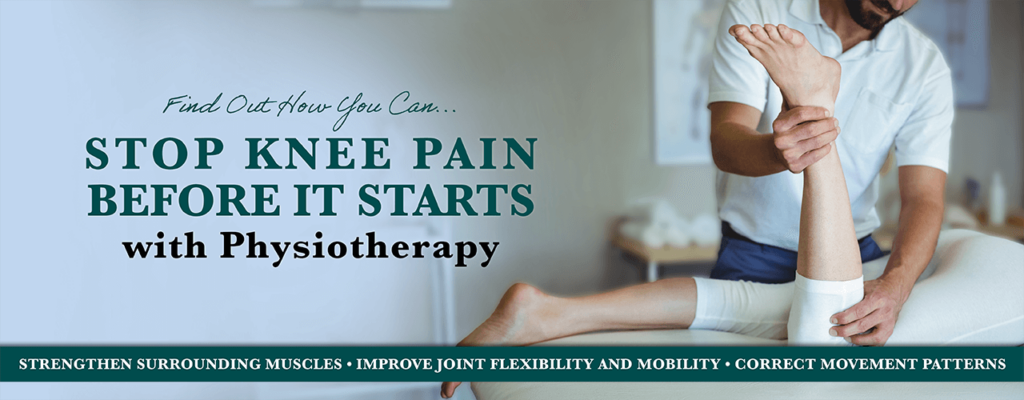
Knee pain is one of the most common complaints among people of all activity levels. Whether you’re an athlete, a weekend warrior, or someone who simply enjoys daily walks, taking care of your knees now can help you avoid pain later. Many assume knee pain is an unavoidable part of aging or an active lifestyle, but physiotherapy plays a key role in knee pain prevention.
This guide outlines five essential steps that keep your knees strong, flexible, and pain-free.
Five Steps To Healthier Knees
Step 1: Keep Your Knees Moving—But Be Smart About It
Joints love movement. When you stay active, you help your knees stay lubricated and healthy. However, not all movement is beneficial. Certain repetitive actions or high-impact activities can increase strain on the knee joint, leading to pain over time.
Try These Tips
- Focus on balanced activities that promote joint mobility without overloading them.
- Avoid sudden increases in activity intensity that could stress the knees.
- A physiotherapist can guide safe movement patterns to support long-term knee function.
Step 2: Build a Strong Support System (Hint: It’s Your Muscles!)
The knee doesn’t work alone—it depends on surrounding muscles for stability and shock absorption. Strengthening these muscles can reduce the strain on the knee joint, lowering the risk of pain and injury.
Where To Focus Your Efforts
- Strong quadriceps and hamstrings help control knee movement.
- Glutes and core stability improve overall leg mechanics.
- Calf strength and ankle mobility support proper weight distribution.
A physiotherapist can assess your muscle imbalances and help you develop a strengthening and knee pain prevention program tailored to your needs.
Step 3: Check Your Form—It Might Be Working Against You
The way you walk, run, or even stand affects the stress placed on your knees. Poor movement mechanics, such as overstriding or poor posture, can increase knee strain and lead to pain over time.
Things to Keep In Mind
- Physiotherapists analyze gait, posture, and movement habits to find areas of concern.
- Improving mobility and stability helps distribute force more efficiently.
- Small corrections in foot placement and body positioning can prevent excess knee stress.
Step 4: Find the Sweet Spot Between Activity and Overuse
Too much or too little activity can negatively impact knee health. Doing too much too soon can cause overuse injuries, while not doing enough weakens muscles that protect the joint.
Things to Keep In Mind
- Gradual progression of activity levels is key.
- Avoid sudden spikes in exercise intensity—build up strength over time.
- A structured physiotherapy plan ensures sustainable movement and workload management.
Step 5: Address Stiffness Before It Becomes a Problem
A little stiffness here and there might seem harmless, but ignoring it can lead to long-term mobility restrictions. The sooner stiffness is addressed, the better your knees can function.
Things to Keep In Mind
- Early intervention helps prevent long-term damage.
- Manual therapy and mobility work keep joints moving freely.
- A physiotherapist can spot early dysfunction signs and recommend corrective strategies.
Common Knee Pain Mistakes—And How to Avoid Them
Many people unknowingly put extra stress on their knees through everyday habits. Here are a few common mistakes and what to do instead:
Pushing Through Pain
Pain is a signal that something isn’t right. Ignoring it can lead to further injury.
Solution: Seek physiotherapy when discomfort first appears to prevent worsening conditions.
Focusing Only on One Muscle Group
Strengthening only certain muscles, like the quadriceps, without balancing other muscle groups can lead to joint instability.
Solution: Work on balanced muscle development with guidance from a physiotherapist.
Skipping Warm-Ups and Cool-Downs
Jumping straight into activity without preparing your muscles puts extra strain on the knees.
Solution: Prioritize proper preparation and pain prevention routines to protect knee function.
Take Control of Your Knee Health
Preventing knee pain isn’t just about avoiding discomfort today—it’s about protecting your movement for years to come. A proactive approach to knee pain prevention can keep you active and mobile.
At Rhema-Gold Physiotherapy, our physiotherapists design customized knee pain prevention programs to help you stay strong and mobile. Whether you’re an athlete, an active individual, or simply looking to keep your knees in top condition, we’re here to help.
Book an appointment today and invest in your long-term knee health!