
Physiotherapy Solutions for Patellar Tendinitis
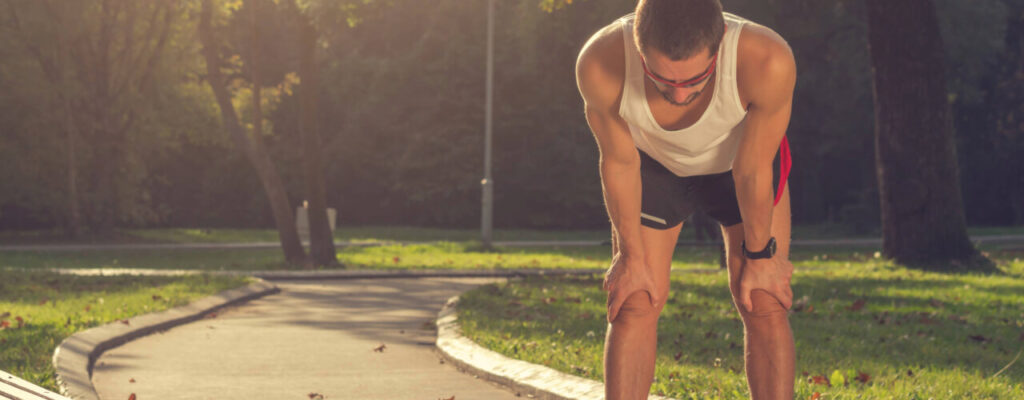
We recently saw a patient who was struggling with persistent knee pain, especially when he was physically active–which was often since he was an avid basketball player. The pain was especially noticeable on the front of his knee, near his kneecap. Fortunately, he visited Rhema-Gold Physiotherapy, where he discovered physiotherapy for patellar tendinitis.
Patellar tendinitis, often called “jumper’s knee,” is common among athletes and active individuals. It occurs when the tendon connecting your kneecap to your shinbone becomes inflamed, leading to pain and mobility issues.
Patellar tendonitis isn’t always a severe injury, but you definitely want to address it as soon as possible since ignoring it–or worse, trying to push through the pain–can lead to long-term issues. The good news is that you can generally resolve the condition with physiotherapy.
If you’re struggling with knee pain and suspect it might be patellar tendinitis, don’t wait. Early intervention can make a significant difference in your rehabilitation. Call our Calgary, AB clinic today to get started.
Understanding Patellar Tendonitis: Signs, Symptoms, and Causes
Patellar tendinitis often starts with minor discomfort and can progress if not addressed. It commonly affects athletes involved in activities that require a lot of jumping, running, and sudden changes in direction. However, you can also develop it if you start an intense new workout routine, even if you’re not an athlete.
The primary symptoms are pain and tenderness at the base of the kneecap. This pain might worsen during physical activities, including running and Jumping–although you might also experience it while going up or down stairs. Some people experience swelling or burning sensations.
So, what causes patellar tendonitis? It can vary. Most people develop it due to repetitive stress on the knee–that’s why it’s so common in sports like basketball or running. Suddenly increasing your physical activity is another common culprit. This is yet another reason to make sure you cross-train in the off-season.
Finally, some people develop patellar tendinitis due to biomechanical issues, such as improper alignment or weakness in the muscles surrounding the knee. Often, it’s a combination of multiple factors that lead to the condition.
The Role of Physiotherapy in Addressing Patellar Tendinitis
Physiotherapy for patellar tendinitis pulls from several effective interventions. We blend them to create a personalized treatment plan based on your exact needs.
We’ll generally start with manual therapy to help reduce pain and improve your knee’s mobility. For example, we might mobilize your knee by guiding it through its current range of motion, gradually working to increase it. Or we might manipulate the soft tissue surrounding the knee, which reduces pain and boosts blood circulation to the area.
Manual therapy helps prepare your body for a crucial piece of your patellar tendonitis treatment: targeted exercises. These exercises strengthen the muscles around the hip and knee, including the gluteus, quadriceps, hamstrings, and calf muscles, which can help relieve stress on the patellar tendon.
We’ll also try to pinpoint what caused your patellar tendonitis in the first place so that you can avoid developing it in the future. For example, let’s say you developed it after starting an intense new running program. We’ll suggest how to ease into a new running routine in case you have to spend some time away. We can also provide suggestions to improve the biomechanics in your lower extremities, which can further reduce your risk of injury.
Don’t Let Patellar Tendonitis Hold You Back!
At Rhema-Gold Physiotherapy, we aim to help you feel better, function better, and get back to your favorite physical activities as quickly as possible. Physiotherapy for patellar tendinitis can help you get there.
Schedule an initial appointment today to get started.