
Post-Operative Knee Care: Physiotherapy Guide
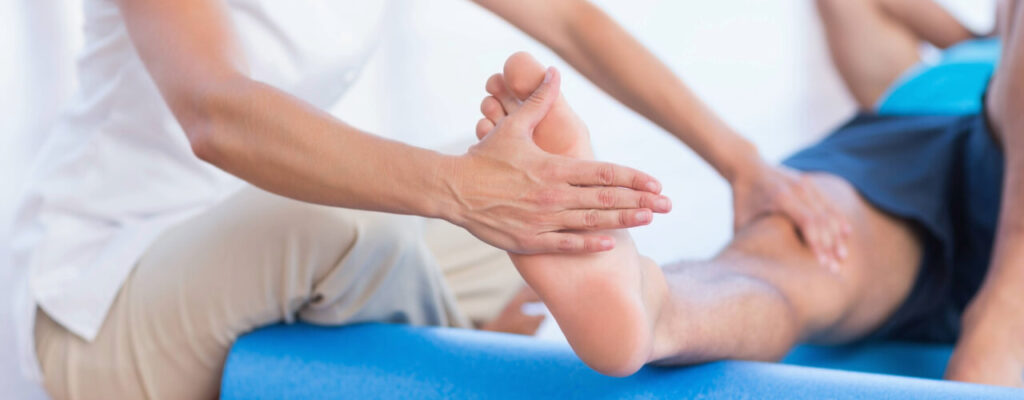
Whether you’ve undergone knee arthroscopy, ACL ligament reconstruction, or total joint replacement, proper post-operative knee care is paramount for regaining full strength, mobility, and function. Physiotherapy at Rhema-Gold Physiotherapy plays an important role in this rehabilitative process, providing guidance and tailored interventions to support your healing journey. This comprehensive guide explores the vital role of physiotherapy in post-operative knee care and what to expect along the way.
The Importance of Physiotherapy in Post-Operative Knee Care
Your knee is a complex joint, and any surgical intervention requires dedicated rehabilitation to fully restore its functional capabilities. Neglecting proper post-operative knee care can lead to complications such as persistent swelling, joint stiffness, muscle weakness, abnormal gait patterns, and chronic pain—ultimately impeding your recovery.
Our physiotherapists offer the evidence-based strategies necessary to optimize your healing, manage pain and inflammation, and gradually rebuild your knee’s range of motion, strength, and stability.
Controlling Inflammation and Protecting the Healing Structures
In the first few weeks following knee surgery, your physiotherapist’s primary focus will be on pain management, swelling reduction, and initiating gentle range-of-motion exercises. Techniques like cryotherapy (cold therapy), compression, elevation, and electrical stimulation can effectively control inflammation and discomfort during this delicate stage.
Your physiotherapist may also introduce assistive devices like crutches, a cane, or a walker to support your mobility while protecting the healing structures. Strict adherence to your physiotherapist’s instructions during this initial phase is crucial, as it lays the foundation for subsequent stages of rehabilitation.
Regaining Knee Strength, Stability, and Functional Mobility
As your healing progresses, your post-operative knee care will shift toward regaining muscular strength, joint stability, and functional mobility. Your physiotherapist will design a personalized exercise program targeting the muscles surrounding your knee joint.
Proprioceptive exercises that challenge your balance and stability will also be incorporated to improve neuromuscular control and reduce the risk of re-injury or compensatory movement patterns.
Throughout this stage, your physiotherapist will continuously assess your progress, adjusting the intensity and complexity of the exercises to match your advancing capabilities. They may also introduce functional activities like squatting, lunging, and stepping to simulate real-world movements and ensure you’re prepared for daily tasks and recreational activities.
Manual Therapy Techniques and Adjunctive Modalities for Knee Care
In addition to exercise-based interventions, your post-operative knee care may incorporate various manual therapy techniques and adjunctive modalities. Soft tissue mobilization, joint mobilizations, and massage can help improve tissue mobility, reduce scar tissue formation, and restore proper joint mechanics.
Modalities like ultrasound, electrical stimulation, or low-level laser therapy may also reduce pain and inflammation, promote healing, and facilitate muscle activation. Your physiotherapist will determine the most appropriate techniques and modalities based on your specific needs and stage of recovery.
Return to Sport and High-Level Activities
Your physiotherapy for post-operative knee care will eventually progress to sport-specific training for those aiming to return to high-level athletic activities or sports. This may involve agility drills, plyometric exercises (jumping and landing mechanics), and simulated sport-specific movements to ensure you’re physically prepared for the demands of your chosen activity.
Your physiotherapist will also comprehensively assess your movement patterns, biomechanics, and any residual deficits that could increase your risk of re-injury.
It’s important to recognize that the recovery process extends beyond just the physical aspects. Many individuals face psychological hurdles, such as fear of re-injury or lack of confidence in their surgical outcome. Your physiotherapist will work closely with you to address these concerns, provide education on your condition and recovery timeline, and establish realistic goals and expectations.
The Road to Recovery with Post-Operative Knee Care: Patience and Commitment
Remember, recovery from knee surgery is a gradual process that requires patience and commitment. By adhering to your Rhema-Gold Physiotherapy physiotherapist’s recommendations and diligently following your rehabilitation program, you can maximize your chances of achieving a successful outcome and returning to the activities you love with confidence and resilience.
Your physiotherapist will be your partner throughout this journey, providing the necessary support and encouragement to navigate the challenges and celebrate your milestones. With a positive mindset, a collaborative approach, and a tailored post-operative knee care plan, you can regain optimal function and reclaim your active lifestyle!