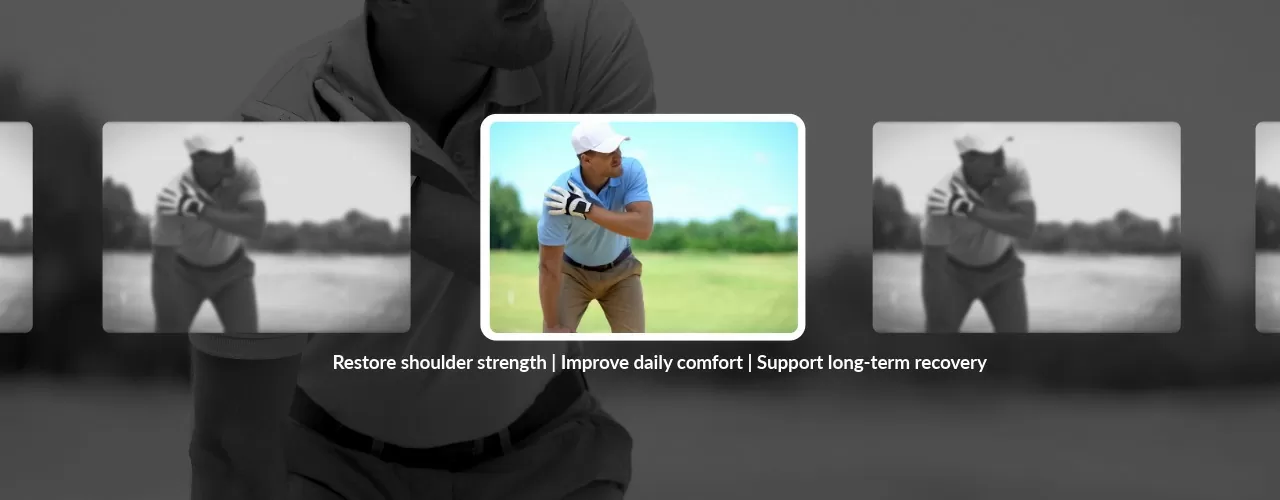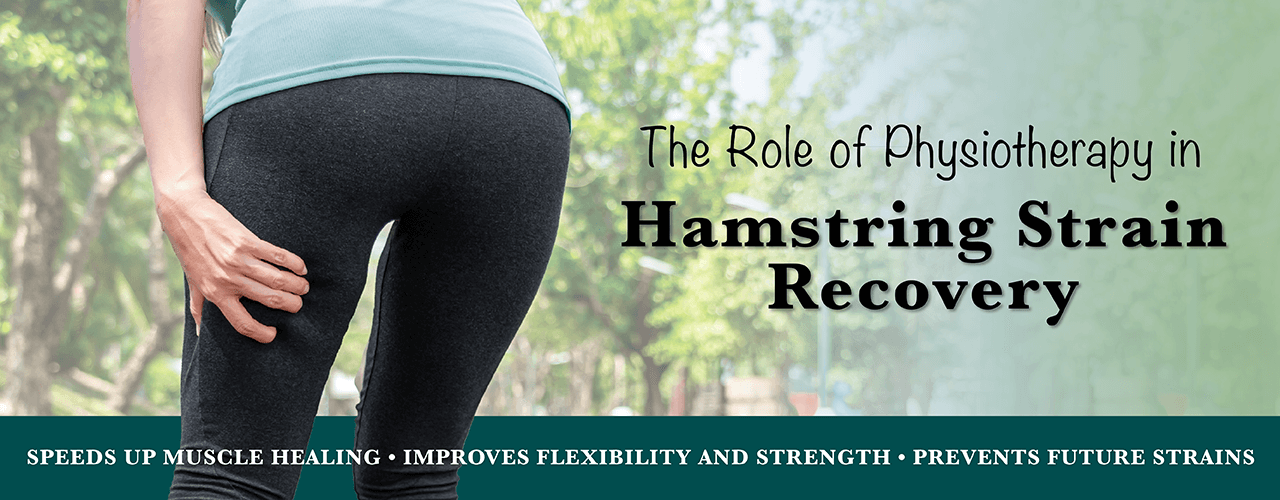
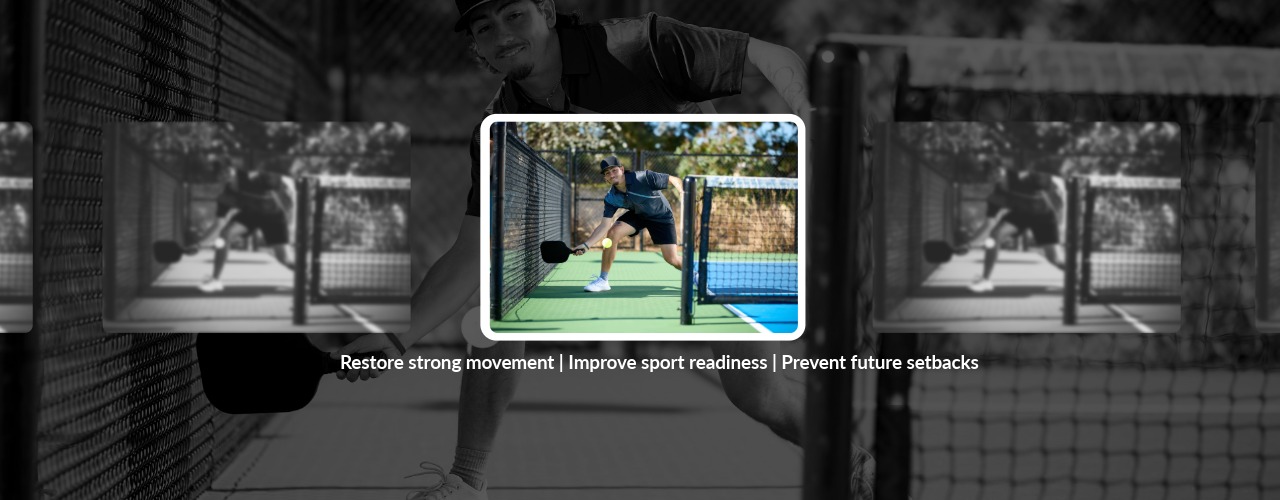
From hockey and soccer to running and weekend pickleball, sport keeps us moving and connected. But with activity comes the risk of injury. At Rhema-Gold Physiotherapy, our approach to sports injury management focuses on identifying the root cause, supporting recovery, and helping you return to activity safely and confidently with a personalized care plan that draws on a wide range of treatment techniques.
Five Ways We Help with Sports Injury Management
1. Comprehensive Movement Assessments for a Good Foundation
A thorough assessment is the foundation of effective care. At your first visit to our Calgary, AB clinic, we’ll:
- Review how the injury happened
- Assess strength, balance, and joint mobility
- Observe how you move during functional tasks
This detailed evaluation helps us identify the underlying factors that contributed to your injury, including joint restrictions, muscle imbalances, movement patterns, and training load. From there, we’ll provide a detailed explanation of what’s contributing to your symptoms and prepare a personalized treatment plan with a realistic timeline based on your sport and goals.
This structured starting point allows sports injury management to be tailored to your specific needs, rather than using a one-size-fits-all approach.
2. Hands-On Manual Therapy for Targeted Relief
Manual therapy involves skilled, hands-on techniques that help improve joint mobility, reduce stiffness, and support better movement patterns. Examples of manual therapy techniques include:
- Joint mobilizations to improve movement
- Soft tissue techniques to address muscle tension
- Gentle stretching of restricted structures
Patients often find that improved mobility makes it easier to participate in their active rehabilitation program. We typically combine manual therapy with exercise and education for a well-rounded plan.
3. Progressive Exercise Therapy to Restore Strength and Control
Therapeutic exercise is a central part of sports injury management. After an injury, muscles may weaken, and coordination can change. Structured rehabilitation helps address these changes, helping to:
- Restore strength around the injured area
- Improve balance and stability
- Enhance coordination specific to your sport
Thoughtful progression is essential to a good rehabilitation program, particularly for overuse conditions where training load needs careful monitoring.
4. Education on Load Management and Training Modifications
Training errors are a common contributor to sports injuries, which is why education is a key part of physiotherapy care. During your appointment, we might discuss concerns like:
- Appropriate return-to-sport timelines
- Adjustments to frequency, intensity, or duration of activity
- The importance of rest and recovery days
This collaborative planning helps reduce the risk of re-injury and supports more sustainable participation in sport.
5. Sport-Specific Return-to-Play Planning
Returning to sport is an important milestone, but it needs to be approached with care to ensure that your body is prepared for the physical demands of your activity. A structured return-to-play plan may involve:
- Gradual reintroduction of sport-specific movements
- Monitoring strength and endurance benchmarks
- Assessing confidence and readiness
Thoughtful planning supports safe participation and helps you feel more confident as you resume training and competition.
Take the Next Step Toward Recovery
Sports injuries can feel frustrating and disruptive. However, with the right guidance, many athletes can return to the activities they enjoy.
At Rhema-Gold Physiotherapy, our physiotherapists provide individualized sports injury management that focuses on assessment, active rehabilitation, and education. If you are dealing with a recent injury or ongoing symptoms, we invite you to contact our clinic to book an assessment and learn how we can support your recovery and performance goals.