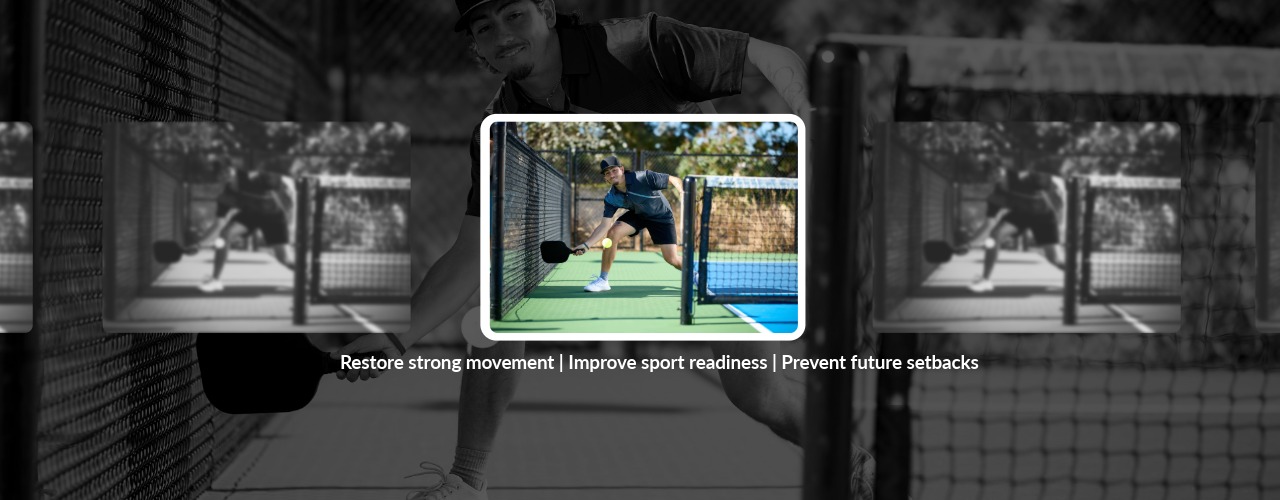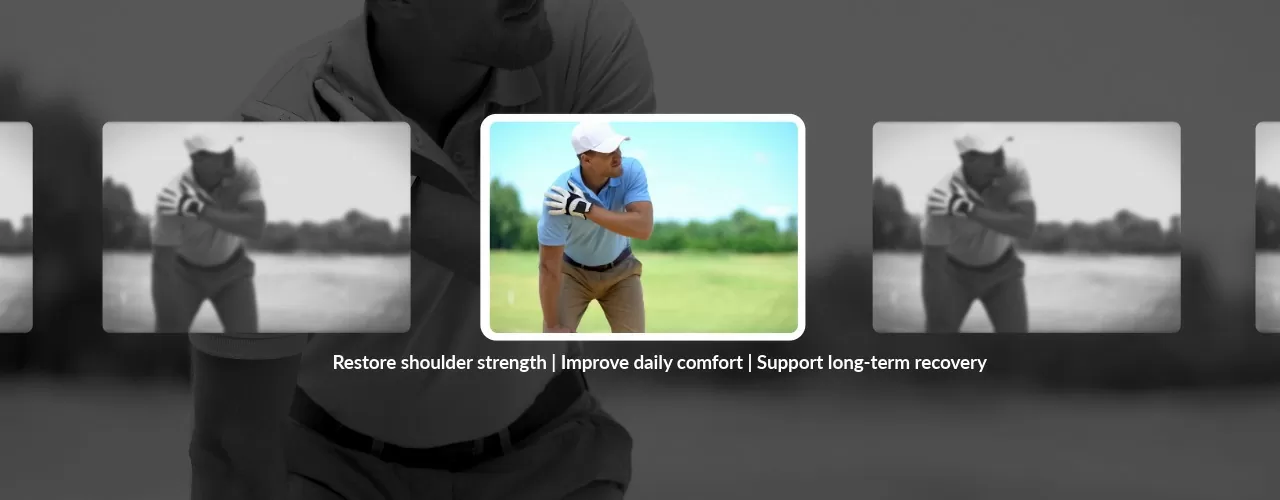

Sports injuries can sideline even the most dedicated athletes. Whether you’re dealing with a sprained ankle, torn ligament, or muscle strain, getting back to your sport safely and efficiently is a priority. Physiotherapy plays a key role in the recovery from sports injuries, helping athletes heal, regain strength, and prevent future setbacks.
Common Sports Injuries and Their Impact
Sports injuries vary in severity, but some are more common than others. Understanding these injuries and their effects can help you seek timely treatment with the team at Rhema-Gold Physiotherapy.
Sprains and Strains
Sprains occur when ligaments, the tissue that connects your bones, are stretched or torn, while strains affect muscles or tendons. Both injuries are common in sports that require quick changes in direction or sudden movements.
Symptoms
- Pain
- Swelling
- Limited movement
- Bruising
Causes
- Overstretching or tearing of the affected tissue
How Physiotherapy Helps
- Strengthening and mobility exercises, manual therapy, and guided rehabilitation to restore mobility and prevent re-injury
Tendonitis
Tendonitis is the inflammation of tendons, the thick cords that attach muscle to bone. It often develops from repetitive movements and can worsen without proper treatment.
Symptoms
- Pain
- Stiffness
- Inflammation in affected tendons
Causes
- Repetitive motion or overuse in sports like running, swimming, and tennis
How Physiotherapy Helps
- Targeted exercises, soft tissue mobilization, and movement retraining to relieve strain and restore function
Stress Fractures
Stress fractures are small cracks caused by repeated impact. These injuries often occur in weight-bearing bones like the shin or foot.
Symptoms
- Severe pain
- Swelling
- Inability to bear weight
Causes
- High-impact forces or repetitive stress leading to small cracks in bones
How Physiotherapy Helps
- Gradual rehabilitation, weight-bearing progressions, and strength training to restore mobility after immobilization
How Physiotherapy Supports the Recovery from Sports Injuries
Physiotherapy is essential in promoting healing and preventing long-term complications. A structured treatment plan can accelerate recovery and ensure a safe return to activity.
Reducing Pain and Inflammation
- Techniques such as manual therapy, electrical stimulation, and therapeutic ultrasound help decrease pain and swelling in the injured area.
- We may incorporate ice and heat therapy to promote circulation and tissue healing.
Restoring Mobility and Strength
- A personalized rehabilitation program includes targeted exercises to rebuild strength, mobility, and endurance.
- Joint mobilization and stretching help restore your full range of motion without straining healing tissues.
Enhancing Balance and Coordination
- Many sports injuries affect balance and coordination, increasing the risk of re-injury.
- Physiotherapists use targeted exercises to retrain the body and improve stability, which is essential for safe movement.
Preventing Future Injuries
- Athletes often return to their sport too soon, risking re-injury. Physiotherapists guide proper progression back to activity, ensuring muscles and joints are prepared for the demands of the sport.
- Education on proper warm-up, cool-down techniques, and body mechanics reduces the likelihood of repeat injuries.
When to Seek Physiotherapy for a Sports Injury
Early intervention is key to recovery from sports injuries. If you experience any of the following, consulting a physiotherapist can help prevent long-term damage:
- Persistent pain that doesn’t improve with rest
- Swelling and bruising that limits movement
- Difficulty bearing weight or using the injured limb
- Recurring injuries in the same area
Take the Next Step Toward Recovery
Sports injuries don’t have to keep you on the sidelines for long. Physiotherapy provides the tools and guidance needed for a safe and effective recovery from sports injuries. At Rhema-Gold Physiotherapy, our experienced physiotherapists develop personalized treatment plans to help you heal, regain strength, and return to the activities you love.
Don’t let an injury hold you back—contact us today to schedule an appointment and start your recovery journey.