
Managing Back Pain from Arthritis with Physiotherapy
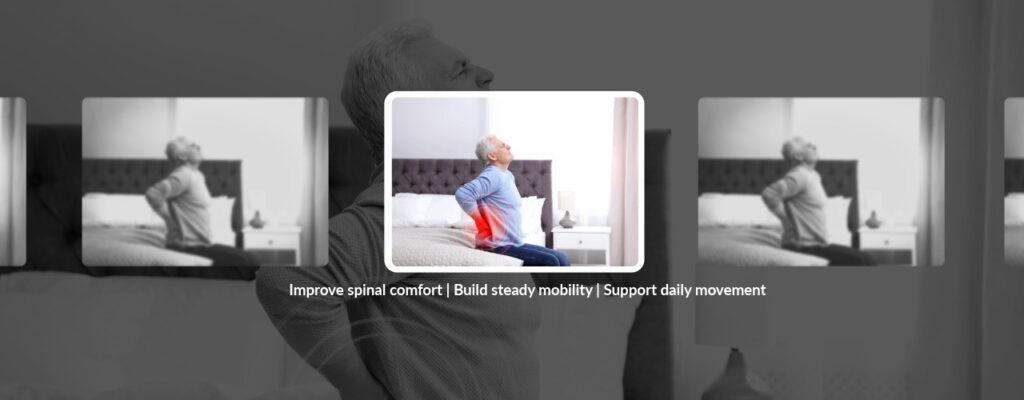
Living with spinal arthritis can affect how you sit, stand, sleep, and move throughout the day. Stiffness in the morning, aching after activity, and difficulty bending or twisting are common concerns we see in patients here at Rhema-Gold Physiotherapy. The good news is that physiotherapy for arthritis back pain can play an important role in helping you stay active and manage symptoms safely. With the right guidance, you can build strength, improve mobility, and support your spine in ways that fit your lifestyle.
However, you also have an important role to play in your treatment! Let’s explore how to make the most of physiotherapy and feel more confident about managing arthritis-related back pain.
Understanding What’s Involved with Physiotherapy for Arthritis-Related Back Pain
Step 1: Understand How Arthritis Affects Your Back
Before starting care, it helps to understand what is happening in your spine.
Arthritis in the back often involves gradual changes in the joints between the vertebrae. Over time, cartilage can wear down, and surrounding tissues may become irritated. This can lead to:
- Stiffness, especially in the morning
- Aching or soreness with prolonged sitting or standing
- Reduced mobility
- Occasional flare-ups with increased discomfort
Our team can help you understand these changes and explain which movements are helpful and which may need to be modified.
Step 2: Get a Thorough Assessment
An effective plan always begins with a detailed assessment. During your first visit to Rhema-Gold Physiotherapy, your physiotherapist will:
- Ask about your symptoms, daily activities, and goals
- Observe how you move, bend, and walk
- Assess joint mobility, muscle strength, and posture
- Identify patterns that may be adding strain to your spine
This assessment helps determine how arthritis is affecting you specifically. No two people experience it the same way. A personalized plan ensures that physiotherapy for arthritis back pain is tailored to your needs rather than using a one-size-fits-all approach.
Step 3: Build a Safe and Progressive Movement Plan
Many people with arthritis avoid movement because they worry it will make their symptoms worse. In reality, gentle and guided movement often helps reduce stiffness and support joint health. Your physiotherapist may focus on:
- Improving mobility in tight areas
- Strengthening muscles that support the spine
- Enhancing balance and coordination
- Gradually increasing tolerance to daily activities
You won’t be pushed beyond your comfort level. Instead, the goal is gradual progress. Movements are selected based on your current abilities and adjusted as you improve.
Consistency matters more than intensity. Small, steady improvements over time can make daily tasks feel more manageable.
Step 4: Address Posture and Daily Habits
Arthritis-related back pain is often influenced by how you sit, stand, lift, and sleep. Your physiotherapist may review:
- Your workstation setup
- How you get in and out of bed
- Lifting techniques
- Positions that ease or aggravate symptoms
Simple adjustments can reduce ongoing strain on irritated joints. Learning how to move efficiently is a core part of our approach to care, especially for individuals who spend long hours sitting or performing repetitive tasks.
These practical strategies empower you to take an active role in your recovery.
Step 5: Learn to Manage Flare Ups
Arthritis symptoms can vary from week to week. Having a plan for flare-ups can help you stay calm and proactive. We’ll guide you on:
- When to modify activities
- How to pace yourself
- When to continue gentle movement
- Strategies to ease temporary increases in discomfort
Understanding that flare-ups are common and manageable can reduce anxiety and prevent unnecessary rest. Staying as active as possible within your comfort range often supports recovery.
Step 6: Stay Engaged in Long-Term Spine Health
Arthritis is a long-term condition, which means ongoing self-management is important. Our team will help you:
- Set realistic functional goals
- Track improvements in strength and mobility
- Adjust your program as your needs change
- Safely maintain an active lifestyle
Support Your Spine with Personalized Physiotherapy Care
While arthritis cannot be reversed, the right support can make daily life more comfortable and manageable. Many people with arthritis notice improvements in mobility, endurance, and confidence with movement thanks to physiotherapy for arthritis back pain.
At Rhema-Gold Physiotherapy, care is centred on your goals, comfort, and lifestyle. If you’re living with back pain related to arthritis, our team can guide you through a personalized plan designed to support mobility, strength, and long-term function. Reach out to us today to learn how physiotherapy can help you move forward with confidence.