
Reducing Knee Pain and Inflammation: A Physiotherapy Perspective
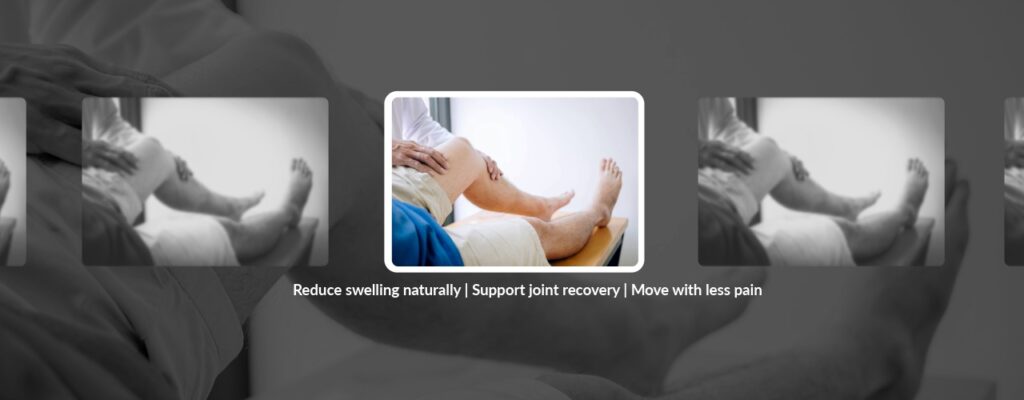
Knee pain can quietly change the way you move, work, and enjoy daily life. Whether it begins after an injury, develops over time, or appears without a clear cause, knee pain and inflammation often go hand in hand. As swelling and joint irritation increase, discomfort and stiffness tend to follow. Understanding how these processes are connected is the first step toward meaningful recovery.
Physiotherapy at Rhema-Gold Physiotherapy offers a structured, evidence-informed approach to addressing both the symptoms and the underlying contributors. With the right guidance, many people can improve mobility, build strength, and support long-term joint health.
Understanding the Connection Between Knee Pain and Inflammation
Inflammation is the body’s natural response to irritation or injury. In the knee joint, it may occur due to:
- Ligament or meniscus injuries
- Tendon irritation
- Cartilage wear
- Overuse from repetitive activities
- Underlying conditions, such as osteoarthritis
In the short term, inflammation helps protect the joint by increasing blood flow and activating healing processes. However, when inflammation persists, it can lead to:
- Ongoing swelling
- Joint stiffness
- Muscle inhibition
- Reduced range of motion
- Increased sensitivity to movement
This is where knee pain and inflammation become closely linked. Swelling inside the joint can stimulate pain receptors. Pain, in turn, may alter how you move, which can add stress to surrounding tissues and prolong irritation.
The Role of Movement in Managing Inflammation
It may seem counterintuitive, but appropriate movement is often beneficial for an inflamed knee. When guided properly, movement can promote circulation within the joint, maintain muscle activation, and prevent stiffness from worsening.
Avoiding movement altogether may lead to muscle weakness and further joint stress. Physiotherapy helps determine the right level and type of activity for your stage of recovery.
Through structured progression, the knee becomes more tolerant of load. This gradual adaptation is a key factor in reducing inflammation-related knee pain over time.
Strength, Stability, and Long-Term Joint Health
The knee relies heavily on surrounding muscles for support. When muscles such as the quadriceps, hamstrings, and gluteal group are not functioning optimally, the joint may absorb more strain than it is designed to handle.
A physiotherapy program often focuses on improving muscle balance and enhancing joint stability, both of which help restore proper alignment during dynamic tasks. This, in turn, helps build endurance for daily and recreational activities.
Stronger, more coordinated muscles can help distribute forces more evenly across the joint. This reduces unnecessary stress on irritated structures and supports lasting improvements.
Addressing knee pain from this broader perspective promotes resilience rather than short-term symptom relief.
How Physiotherapy Breaks the Cycle of Knee Pain and Inflammation
Identifying the Source with a Comprehensive Assessment
Effective care begins with a detailed assessment that examines:
- Joint mobility
- Muscle strength and control
- Movement patterns during walking or functional tasks
- Swelling and tissue sensitivity
- Contributing lifestyle or activity factors
Rather than focusing solely on the injured area, the assessment examines how the entire lower limb and pelvis are functioning. Weakness in the hips, limited ankle mobility, or altered biomechanics can all contribute to knee pain and inflammation.
By identifying these factors, treatment can be tailored to your specific needs.
Targeted Strategies to Reduce Inflammation and Knee Pain
Our team uses a combination of approaches designed to calm irritation and support healing. These may include:
Manual Therapy
- Gentle joint mobilizations to improve movement
- Soft tissue techniques to reduce muscle tension
- Techniques aimed at supporting fluid movement and reducing swelling
Therapeutic Exercise
- Gradual strengthening of surrounding muscles
- Controlled loading to improve tissue resilience
- Neuromuscular retraining to restore coordinated movement
Education and Activity Modification
- Guidance on pacing activities
- Strategies to avoid aggravating movements
- Advice on posture and alignment during daily tasks
These strategies are chosen carefully to avoid overloading irritated tissues. The goal is to reduce knee pain and inflammation while maintaining healthy movement.
An Individualized Approach for Meaningful Progress
No two knees are the same. Age, activity level, injury history, and overall health all influence recovery.
At Rhema-Gold Physiotherapy, care plans are individualized and adjusted based on your response to treatment. Progress is monitored closely, and exercises or techniques are modified as needed. This responsive approach supports steady improvement while respecting your body’s healing process.
If knee discomfort or swelling is limiting your activities, you do not have to navigate it alone. A personalized physiotherapy plan can help you move with greater confidence and comfort. Contact Rhema-Gold Physiotherapy to learn how individualized care can support your journey toward healthier knees.